

The EU is investing in innovative projects to secure its own recycling capacity for EV batteries, as part of a broader push to reduce dependence on imported critical raw materials (CRMs) in an increasingly tense geopolitical context.
EU battery rules set mandatory recycling efficiency and material recovery targets, so that end-of-life batteries are treated not as waste but as a strategic source of secondary raw materials for the energy transition.
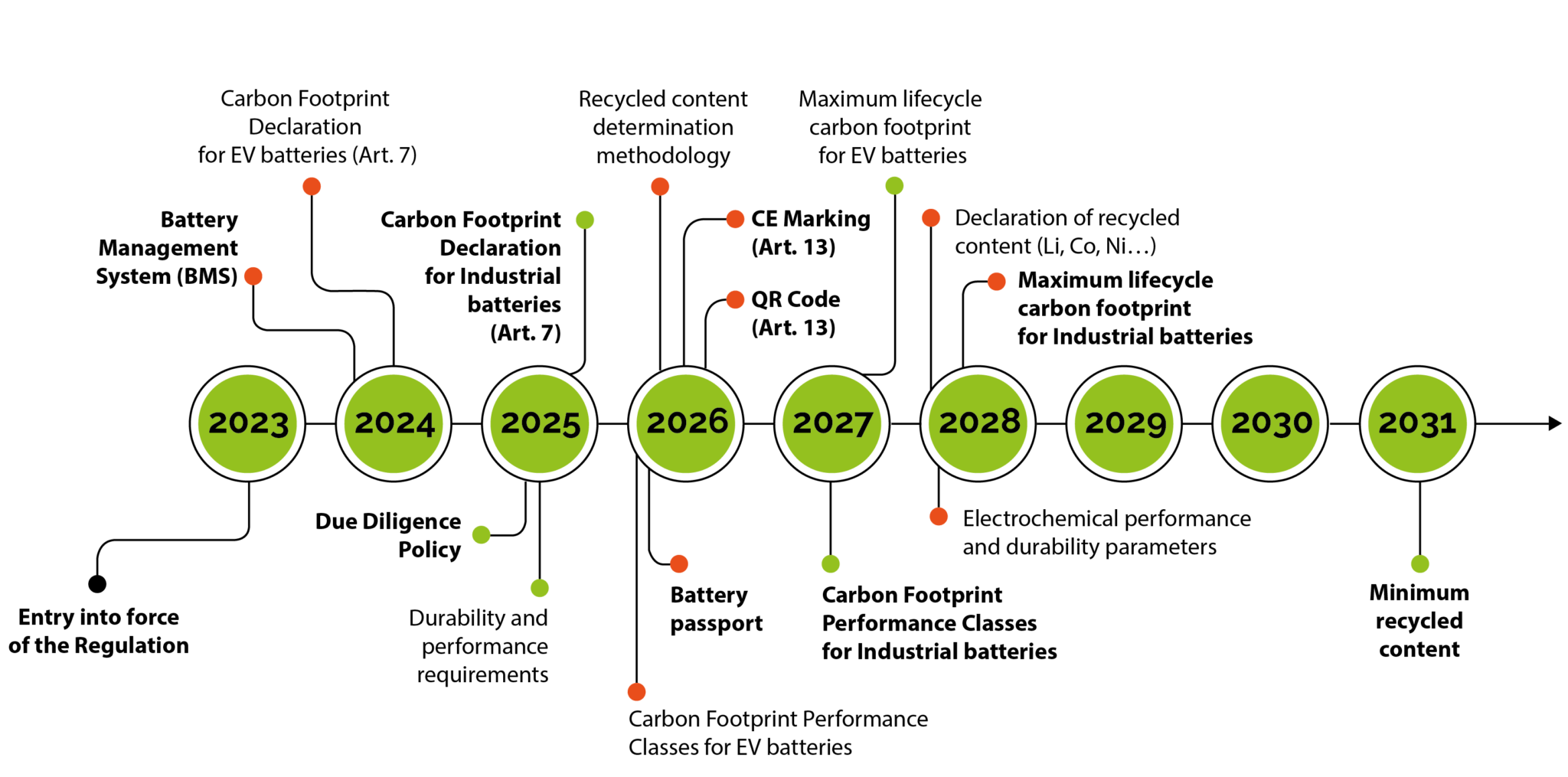
In just 48 months, BATRAW has demonstrated an integrated and scalable framework to effectively recycle these batteries and bring CRMs back into new high-performance cathode active materials (CAMs).
To validate this end-to-end approach, the consortium deployed two complementary pilot lines:
- Semi-automated pack dismantling, capable of handling up to 1 ton of EV battery packs per 8-hour shift with State of Health (SoH) assessment in less than 30 minutes.
- Advanced mechanical pre-treatment and hydrometallurgical processing that recovers lithium, nickel, manganese and cobalt with combined contents above 92% in the black mass and feeds the re-synthesis of LNMO and NMC CAMs.
PILOT 1 | SEMI-AUTOMATED EV BATTERY PACK DISMANTLING
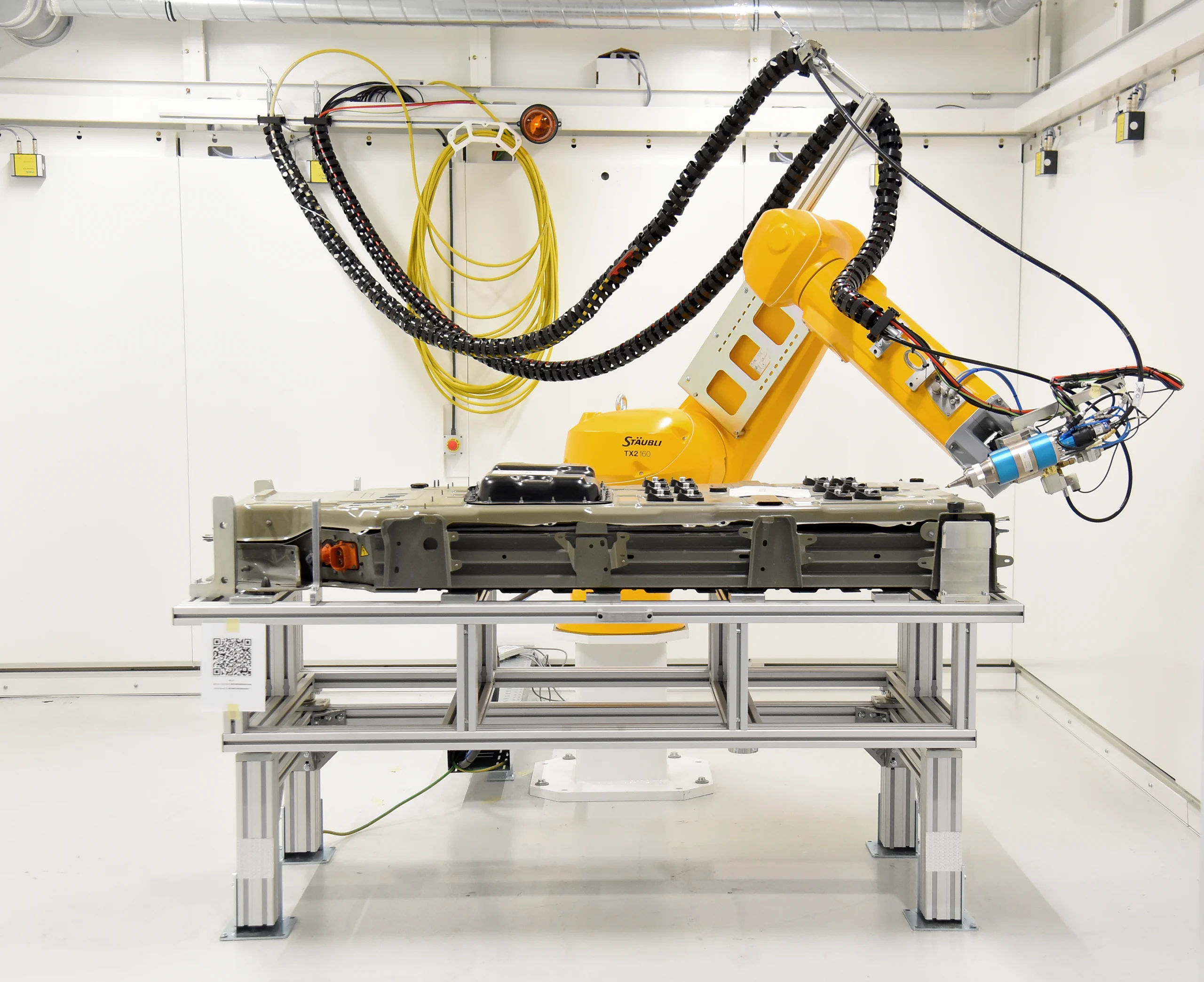
BATRAW has designed, built, and validated a semi-automatic battery pack disassembly pilot line capable of dismantling up to 1 ton of EV battery packs per 8-hour shift, moving from predominantly manual operations to a flexible human-robot collaboration environment.
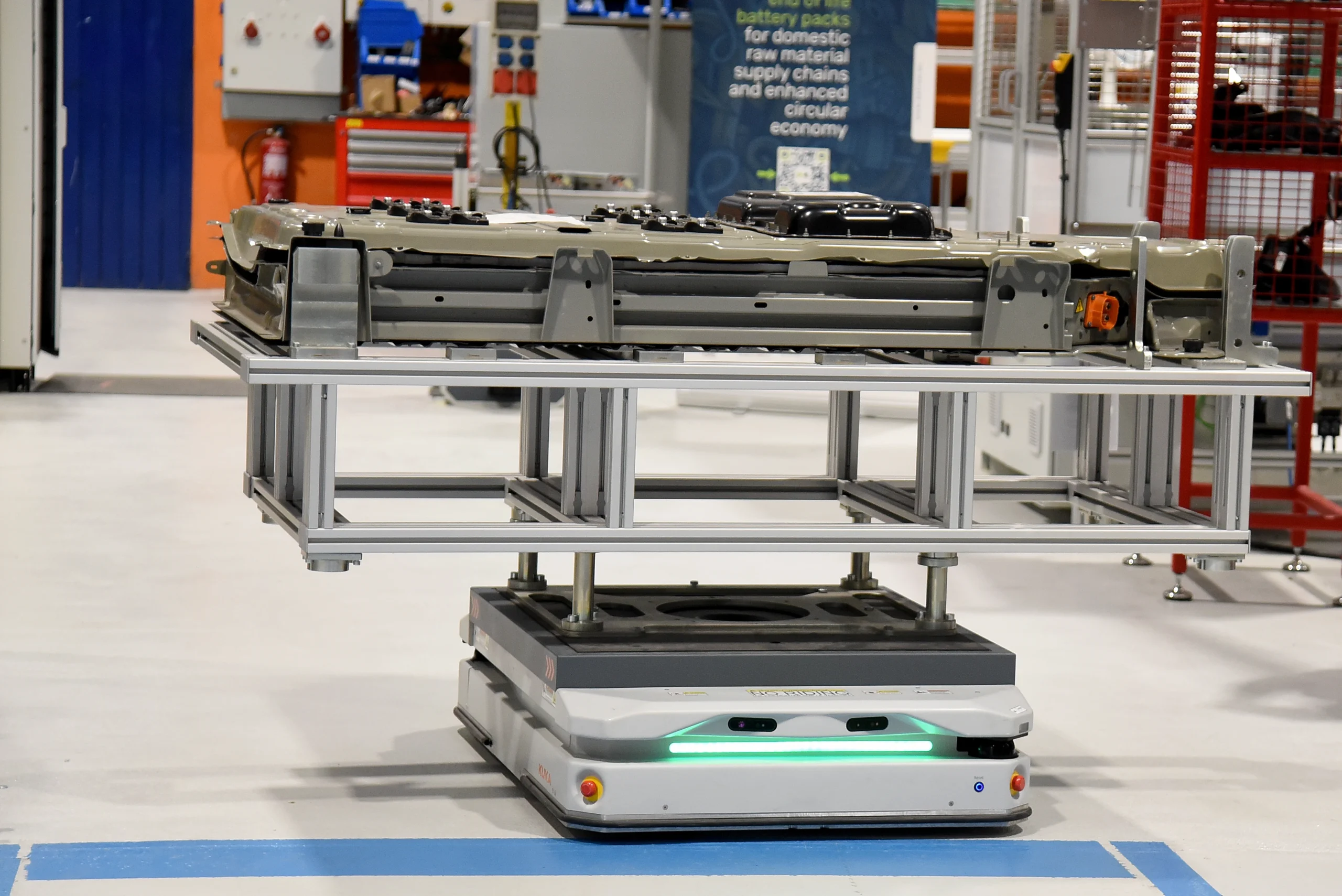
The key outcomes are:
- 95% or higher recovery by weight of battery pack components.
- Integration of robotics and artificial vision to handle complex, glued pack architectures.
- Fast SoH assessment of modules in less than 30 minutes, enabling smart decisions between second life, reuse and recycling pathways.
PILOT 2 | MECHANICAL PRE-TREATMENT & HYDROMETALLURGICAL RECYCLING
The second pilot scales a continuous mechanical pre-treatment and hydrometallurgical process for EV and domestic batteries, producing high-purity black mass streams and selectively recovering key battery raw materials.
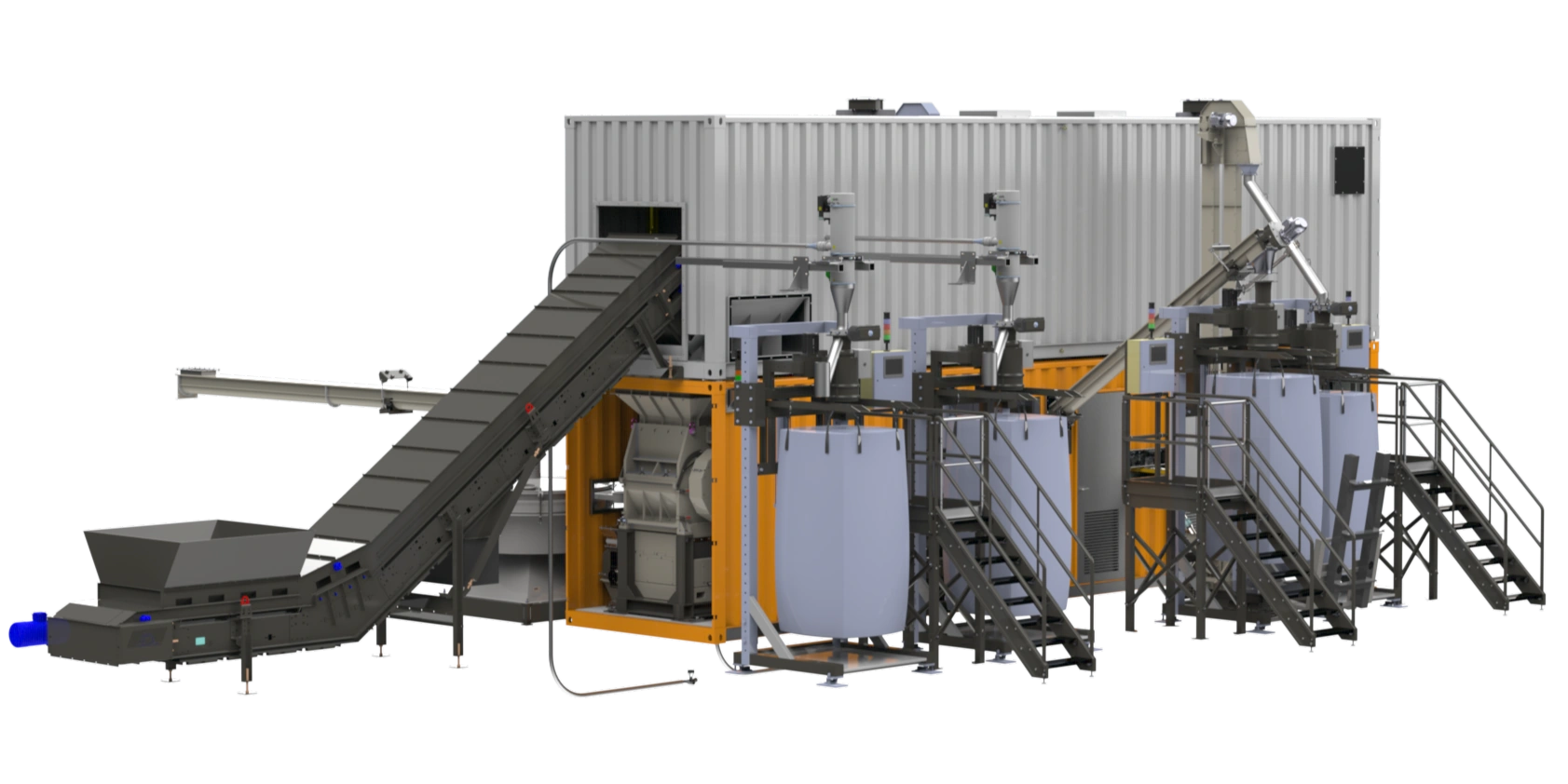
A look at the main highlights:
- Production of high-quality black mass with more than 92% combined Li, Ni, Mn and Co content.
- Effective separation of Al, Cu, graphite and other fractions.
CLOSING THE LOOP: recycled CAMs for high-energy batteries
Using recycled hydrometallurgical outputs, BATRAW partners have re-synthesised LNMO, NMC811 and NMC9½½ CAMs with structural, morphological and electrochemical properties comparable to commercial references.
Extensive physical and chemical characterization confirmed correct crystal structures, controlled particle size distributions, and suitable powder processability, even in the presence of minor impurities inherent to recycled streams.
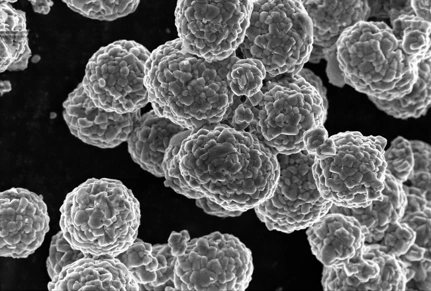
Electrochemical testing confirmed:
- LNMO: specific capacities above 120 mAh/g.
- NMC811 / NMC9½½: capacities in the 190–205 mAh/g range, while maintaining excellent rate capability and supporting fast-charging applications.
In all cases, more than 80% of nominal capacity was retained at high C-rates, confirming the suitability of recycled materials for high-energy battery applications.

If you’re looking for more, you can access additional results at BATRAW website to learn about:
- Guidelines on battery pack handling and transportation.
- An eco-design guide for vehicle manufacturers.
- Policy reports on building a circular EU battery ecosystem, covering policy coherence, carbon footprint requirements, circularity barriers, and the digital battery passport.
If you want to try the BATRAW Battery Passport platform, access it here.
This project has received funding from the European Union’s Horizon Europe Research and Innovation Programme under Grant Agreement No. 101058359. Isle Utilities Ltd, participant in Horizon Europe Project BATRAW, is supported by UKRI.